
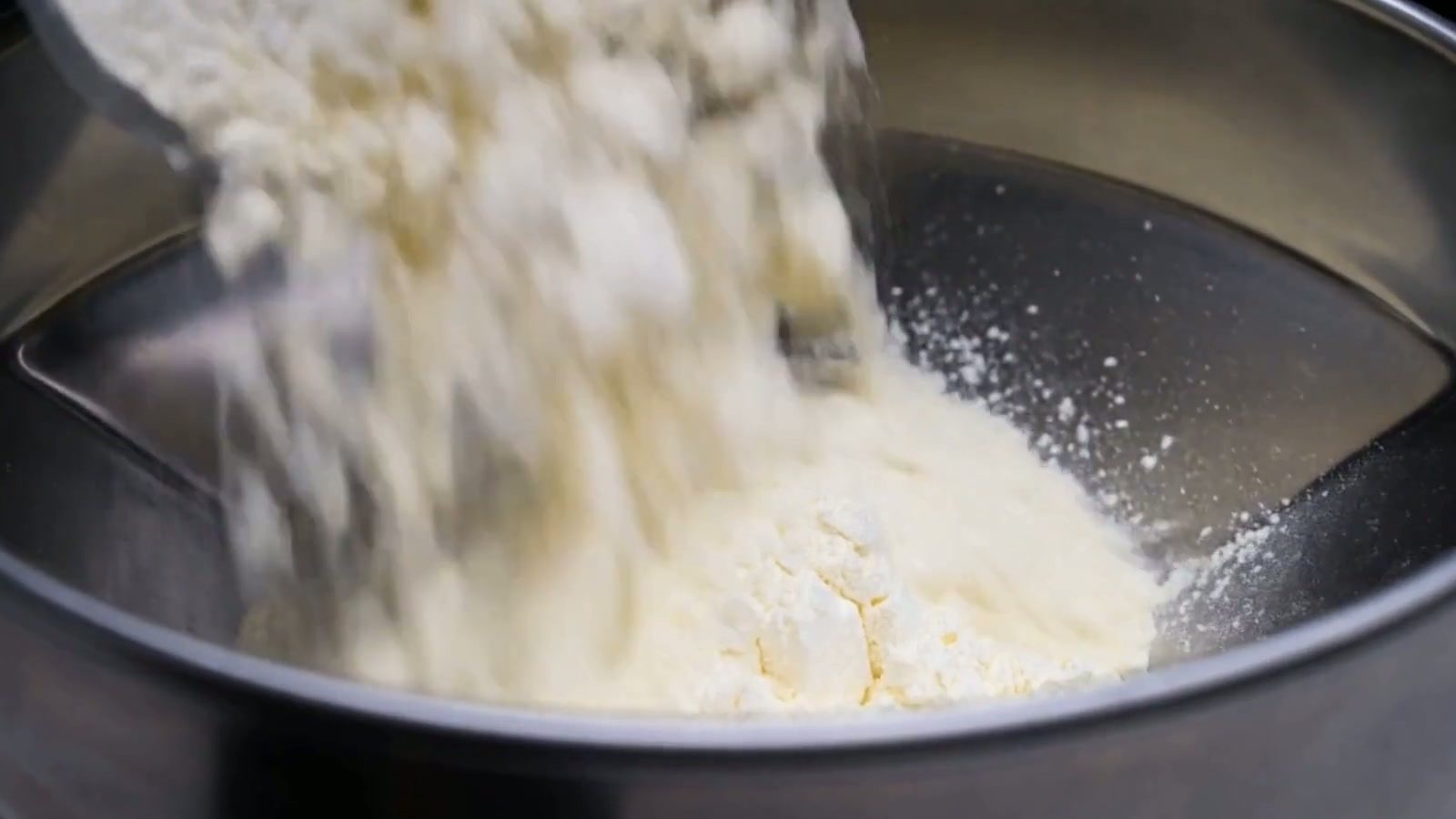
Electrolyte Powder Manufacturing
Build an electrolyte powder around the real use occasion—from mineral taste and serving size to the package opened at the gym, desk, or trail.
Build the route around the product.
Electrolyte products need a defined audience, occasion, preparation method, mineral direction, flavor system, serving format, and packaging plan. Mineral sources influence taste and solubility, while moisture and distribution conditions affect how the finished powder should be protected.
Decisions that shape the program.
Resolve the connected questions early enough to make the technical and commercial route clear.
- 01
Use occasion
Training, travel, daily hydration, workplace, and outdoor use create different serving and pack priorities.
- 02
Mineral taste and solubility
Mineral forms affect salinity, bitterness, clarity, dispersion, and finish.
- 03
Sweetener and flavor
Flavor identity, sweetness, acidity, masking, and aftertaste need to be reviewed as one sensory system.
- 04
Moisture and packaging
Formula behavior, barrier, closure, repeated opening, storage, and distribution inform the pack.
From a useful brief to a controlled release.
- 01
Occasion brief
Align the audience, intended use, formula direction, format, market, channel, and commercial constraints.
- 02
Development review
Review ingredient, sensory, sourcing, package, and process questions before the commercial path is locked.
- 03
Format selection
Turn approved inputs into the working specification, artwork, component, testing, and release plan.
- 04
Production handoff
Coordinate the qualified production route, packaging, documentation, release, and delivery handoffs.
Define the finished experience.
Bring to the first conversation.
- 01Audience and hydration occasion
- 02Mineral and ingredient direction
- 03Serving and water volume
- 04Flavor or unflavored preference
- 05Format and channel
- 06Storage, shipping, and target market
Useful answers before a quote.
Is there a universal electrolyte ratio?
No. The appropriate direction depends on audience, use occasion, serving, product concept, market, and product-specific review.
Why do mineral sources affect taste?
Different mineral forms can change salinity, bitterness, acidity, solubility, clarity, and aftertaste, so source and sensory choices are connected.
How do sticks compare with tubs?
Sticks support portability and measured portions but impose fill, flow, film, and serving constraints. Tubs support repeat use but require scoop, density, closure, and repeated-opening decisions.
How are moisture and clumping considerations addressed?
Formula composition, powder behavior, package barrier, closure, storage, distribution, and repeated opening are reviewed for the specific program rather than covered by an absolute no-clump promise.
Bring the brief. We’ll map the next decision.
Share what is fixed, what is open, and what your team needs to launch. Agile will help turn it into a practical program.